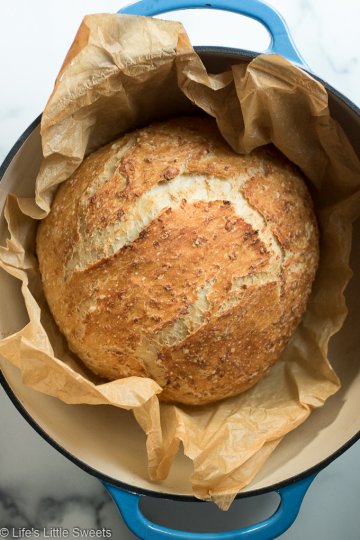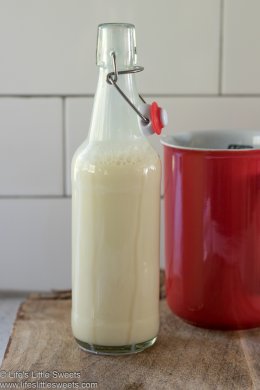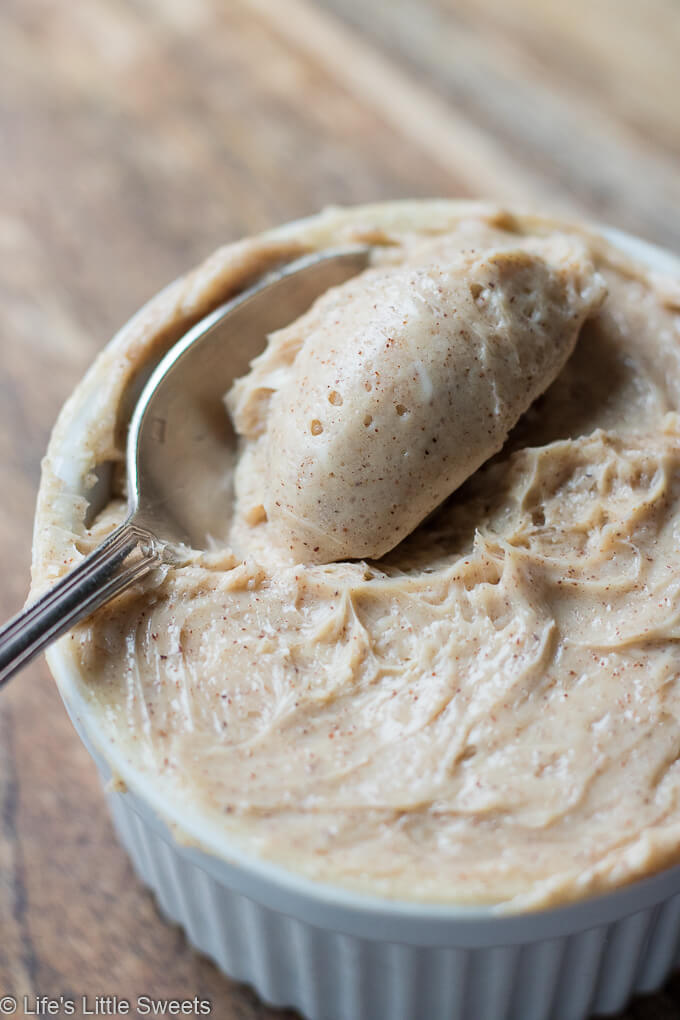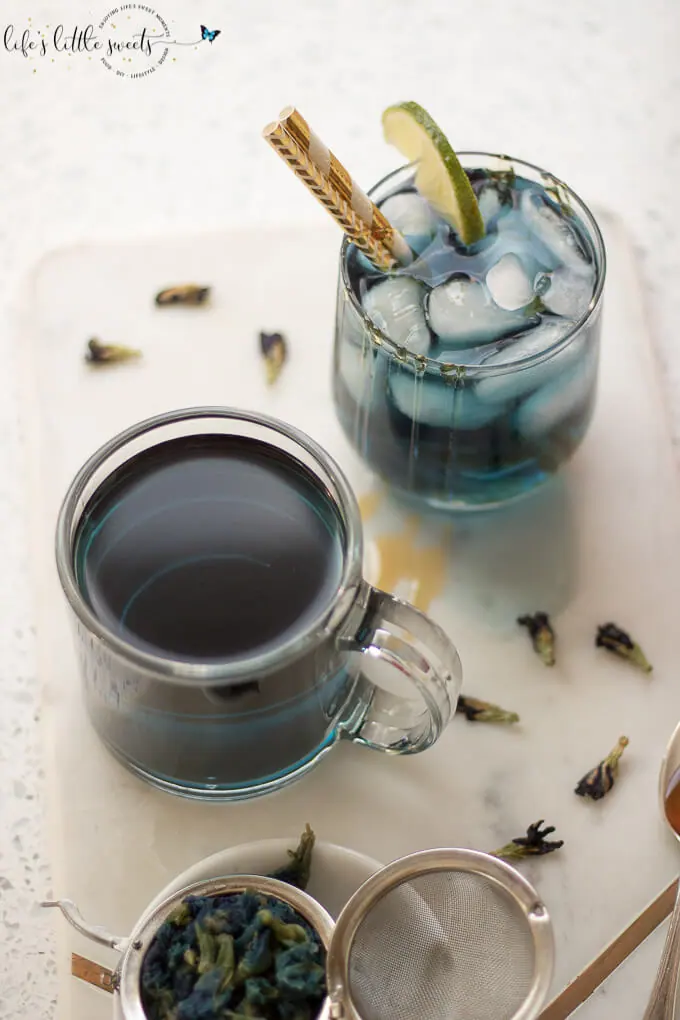

It’s time for some cranberry, pumpkin, apples, and everything spiced! Sweater season is here which means we’re hungrier than ever. Want to know what food to cook this Fall? Keep on reading!

Omnivore loving vegan, gluten-free & beverage recipes

Fall Food Lists Recipes By Season

Any Season April August breads brunch recipes December Desserts Entertaining Fall February Food January July June March May November October Recipes Recipes by Diet Lifestyle Recipes By Month Recipes By Season September Spring Summer Sweet Vegetarian Recipes Winter

Any Season April August December Events Fall February Food January July June March May Northeast November October Recipes by Diet Lifestyle Recipes By Month Recipes By Season September Spring Summer Summer Solstice Sweet toppings USA Region Vegetarian Recipes Winter
Desserts Food July June Popular Recipes Recipes Recipes by Diet Lifestyle Recipes By Month Recipes By Season Summer Sweet Vegetarian Recipes
Life’s Little Sweets celebrates seasonal cooking and local food pathways. Find inspiration from farms, CSAs, and home gardens with recipes that highlight fresh ingredients, community, and the joy of cooking through the seasons. Continue Reading

It’s time for some cranberry, pumpkin, apples, and everything spiced! Sweater season is here which means we’re hungrier than ever. Want to know what food to cook this Fall? Keep on reading!
October means fall is upon us. This might be the season that you’re craving for some warm pies, pumpkin bread, and cold drinks — like wine for example. Or simply just some coffee or tea for those who don’t want to go in the alcoholic route.

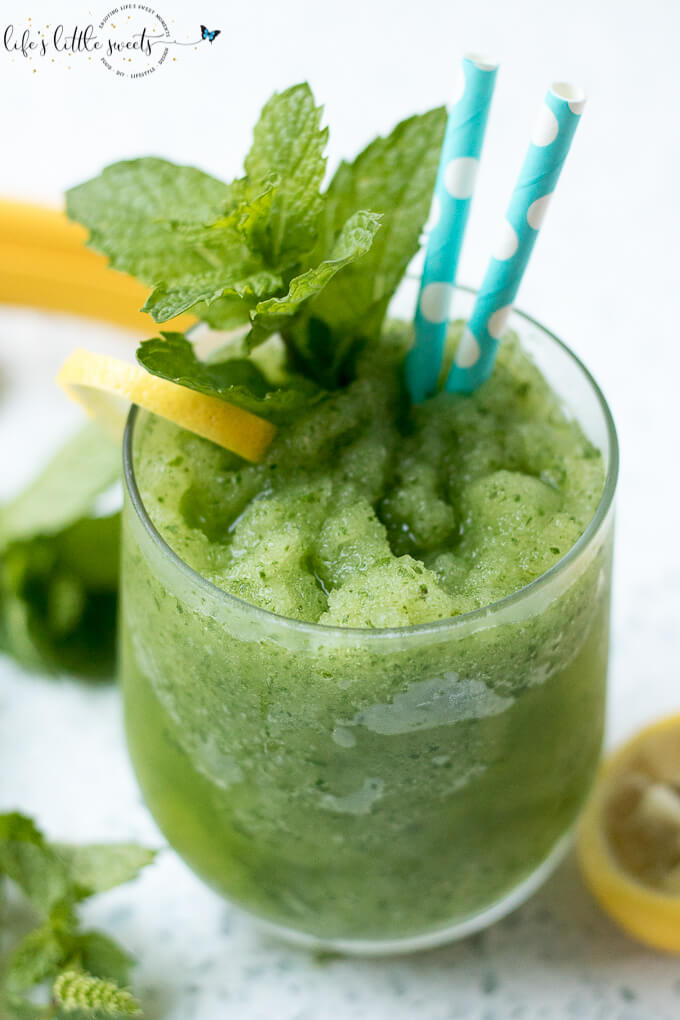
Are you looking for some refreshing drink to beat out the hot summer heat or do you just want to try a few new dishes on the grill for July?

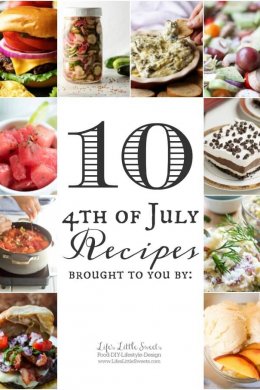
Here are 10 4th of July Recipes! We got you covered from savory family style main dishes, sides to sweet dessert options. *This post was originally published on 7/2/2018 and updated 6/23/2019 Hello Everyone! Independence Day, better known as 4th of July is upon us, so what are you making for this classic American holiday?...


This post may contain affiliate links. Please read my disclosure policy
Mayonnaise (How to Make Mayonnaise, Mayonnaise Recipe) - Let's explore the joys of making mayonnaise at home, diving into a fail-proof recipe that promises to deliver velvety smooth results every time. Get ready to elevate your culinary prowess as we unlock the secrets to creating the perfect condiment that will leave your taste buds dancing with delight! We also include tips for success to help you through the recipe.
Hey there, fellow foodies! For many, mayonnaise is just a condiment, but for me, it's an essential ingredient that adds that luscious creaminess to countless recipes. Let's make some mayonnaise!
Before we get into the nitty-gritty of creating our own mayo, let's discuss why homemade is the way to go. While store-bought mayonnaise is convenient, it often contains additives and preservatives that might not be as healthy or as fresh as what you can whip up in your own kitchen. Plus, there's something deeply satisfying about crafting your own creamy, tangy, and utterly delicious mayonnaise from scratch!
Using pasteurized eggs in homemade mayonnaise is a safer option, especially if you're concerned about food safety. Pasteurization is a process that involves heating eggs to a specific temperature to kill any harmful bacteria, such as Salmonella, without cooking the egg itself. It reduces the risk of foodborne illnesses, which can sometimes be associated with consuming raw or undercooked eggs.
While the risk of Salmonella from eggs is relatively low, it is not entirely eliminated. This is particularly important for certain individuals, such as pregnant women, young children, the elderly, and those with weakened immune systems, who may be more susceptible to foodborne illnesses.
If you want to err on the side of caution, you can use pasteurized eggs when making homemade mayonnaise. Pasteurized eggs are often available in stores, labeled as such on the carton. Alternatively, you can pasteurize eggs at home by placing them in hot water (at around 140°F to 150°F or 60°C to 65°C) for about 3 to 5 minutes, then cooling them down quickly in cold water.
Using pasteurized eggs ensures you can enjoy your delicious homemade mayonnaise with peace of mind and without compromising on flavor or texture.
Now that you've mastered the art of making homemade mayonnaise, I'm sure you won't look at store-bought mayo the same way again. Embrace the versatility of this creamy delight and use it to elevate your sandwiches, dressings, and sauces to new heights!
The next time you're craving a dollop of creamy goodness, remember this simple and satisfying recipe. I can't wait for you to experience the joy of creating your own mayo, and trust me, once you do, there's no turning back!
Until next time, happy cooking!

Indulge in the creamy goodness of homemade mayonnaise! Our fail-proof recipe guarantees velvety-smooth results every time. Elevate your dishes with this luscious condiment and unlock a world of culinary possibilities. Master the art of creating your own tangy, delectable mayonnaise from scratch with our simple steps and essential tips. Get ready to savor the authentic taste of homemade goodness!
As an Amazon Associate and member of other affiliate programs, I earn from qualifying purchases. #CommissionsEarned #ad
This site uses Akismet to reduce spam. Learn how your comment data is processed.
Leave a Reply
You must be logged in to post a comment.